Madeira Housing Prices Fall 8.3% in Late 2025 Despite National Rise
Madeira saw housing prices fall 8.3% in 2025, standing out from most Portuguese regions, where property values continued to rise despite fewer transactions nationwide.



Madeira saw housing prices fall 8.3% in 2025, standing out from most Portuguese regions, where property values continued to rise despite fewer transactions nationwide.
Prices for renting in Madeira increased 5.0% since December and 5.2% year-on-year.

Bummer! Madeira taxis failed to lower fares by adjusting taximeters, revealing a setup that does not allow price decreases.

In 2025, bank valuations for housing in Madeira increased 18.1% year-on-year.

Madeira is launching its first dedicated regional venture capital fund and reforming incubation centers to drive local startup financing and growth.

Inflation in Madeira in 2025 is estimated at 3.5%. It is higher than in 2024 and is expected to exceed the national rate by 1.2%.

The Madeiran Chamber of Commerce warns that tourist taxes risk to confuse visitors, make business harder and damage the islands economy in the long term.

São Vicente will introduce a tourist tax in April, leaving just one of Madeira’s 11 municipalities without a current or planned tax.

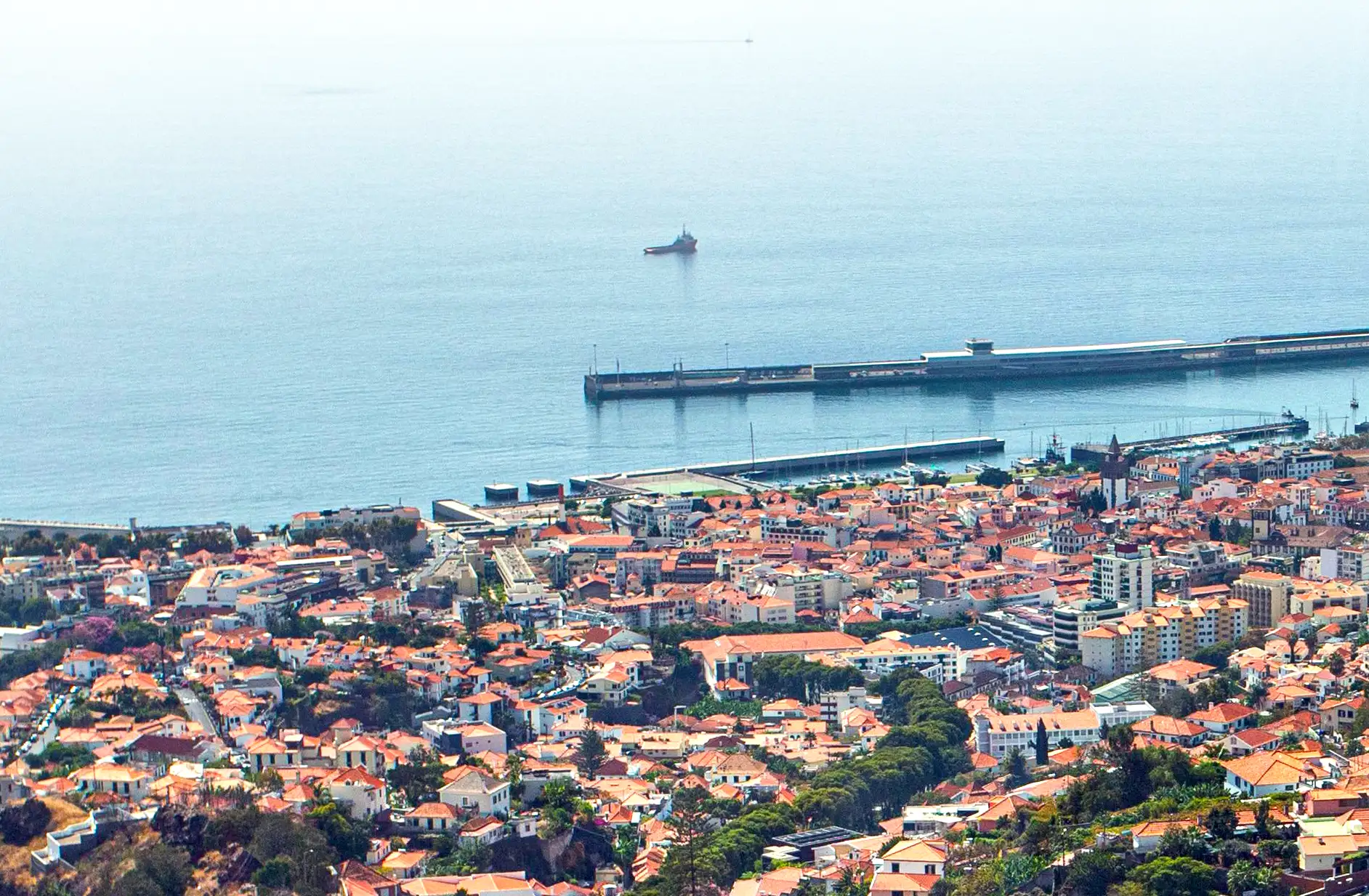
Funchal’s cruise port closed 2025 with record €62 million impact and 750,000 passengers, but growth slowed compared with the stronger increase seen in 2024.
In 2024, Madeira saw record employment in foreign-owned companies, with 243 firms creating over 5 000 jobs and significant economic impact.